How to Manufacturing a High ABV Beverage
From Moderation to Maximum Strength — The Market Is Expanding
While headlines often focus on moderation trends, another shift is happening at the same time: consumers who do drink are increasingly reaching for higher ABV beverages.
High ABV beverages and high-alcohol RTDs continue to gain traction as consumers seek:
✔️ Higher strength
✔️ Premium positioning
✔️ Bold, differentiated experiences
From elevated RTDs to ultra-strong specialty releases, the category is far broader than many brands realize. For companies exploring high alcohol beverage manufacturing, understanding the different segments is key to positioning — and profitability.
What Are High ABV Beverages?
“High ABV” (alcohol by volume) generally refers to beverages above traditional beer strength (4–6% ABV). Depending on the category, this can range from 7% to well over 40% ABV.
Here’s a breakdown of the major high alcohol segments and what they mean for manufacturers.
1. Spirits (40%–95% ABV)
Spirits are the foundation of high alcohol beverages.
Typical ABV Range:
- Vodka, Gin, Whiskey, Rum: 40–50% ABV
- Overproof and specialty spirits: 60–75%+ ABV
- Neutral grain spirits (e.g., Everclear): up to 95% ABV
These products are staples in cocktail culture and remain one of the most profitable segments in alcohol. Ultra-high-proof spirits are often used for:
- Infusions
- Flavor extraction
- Limited-edition releases
- Cocktail concentrates
Manufacturing Considerations:
- Federal TTB permitting
- Flammable material handling and storage
- Precise dilution and proofing
- Glass packaging or high-integrity closures
- Tax classification impacts
For brands entering this space, compliance and facility capability are critical.
2. Fortified Wines & Liqueurs (16%–24% ABV)
Fortified beverages sit between wine and spirits.
Examples include:
- Port
- Sherry
- Madeira
- Vermouth
- Cream and herbal liqueurs
These products are used as:
- Dessert beverages
- Cocktail modifiers
- Digestifs
- Premium sipping options
The appeal lies in flavor complexity and elevated alcohol without reaching full spirit strength.
Manufacturing Considerations:
- Blending base wine with neutral spirits
- Stability at higher alcohol levels
- Sweetener balance
- Shelf-life validation
- Regulatory classification (wine vs. specialty product)
Fortified beverages offer strong margins with lower alcohol tax rates compared to distilled spirits in some classifications.
3. High-Octane Beers & Malt Beverages (7%–15%+ ABV)
This category has expanded rapidly in recent years.
Examples include:
- Imperial IPAs (7–9%+ ABV)
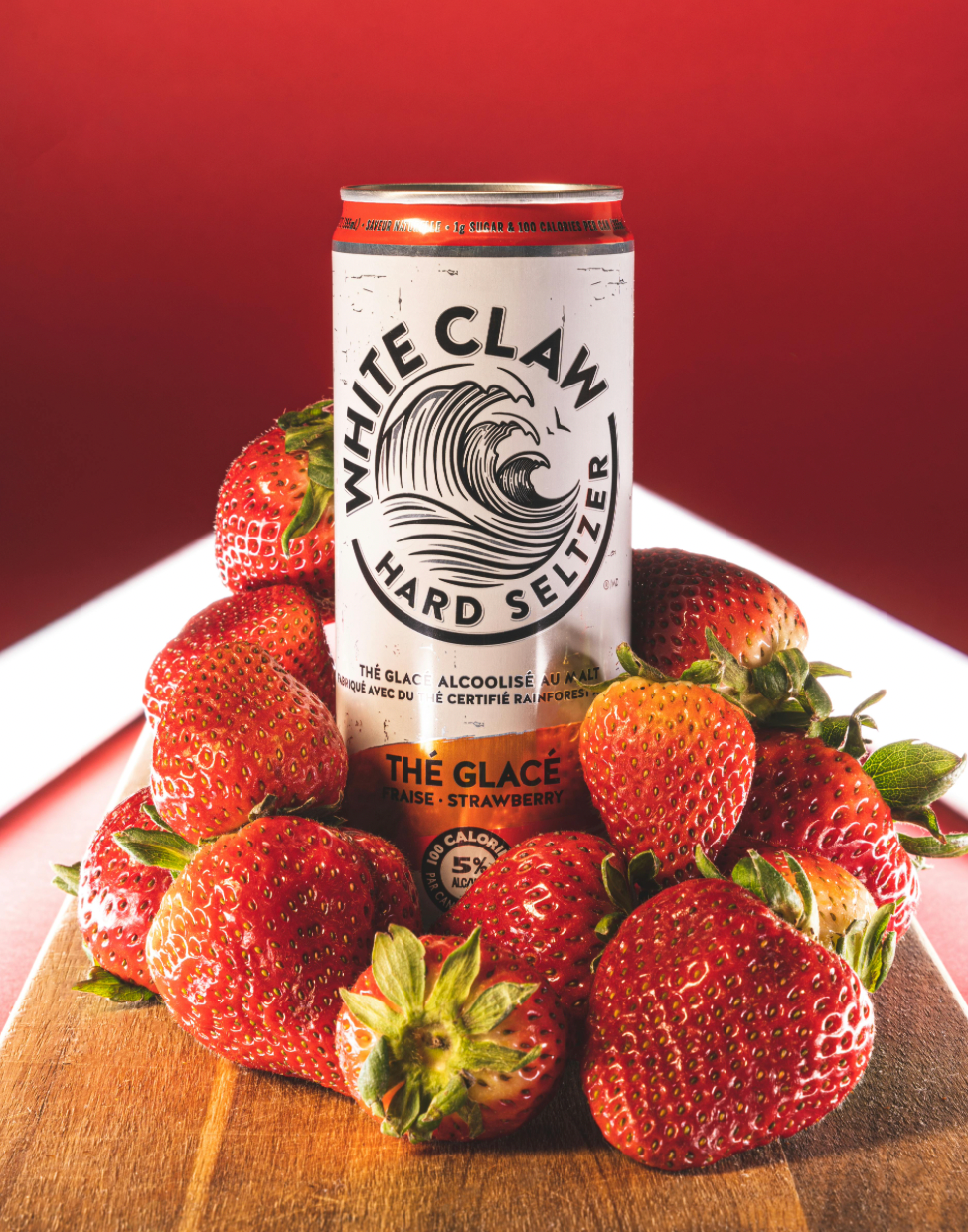
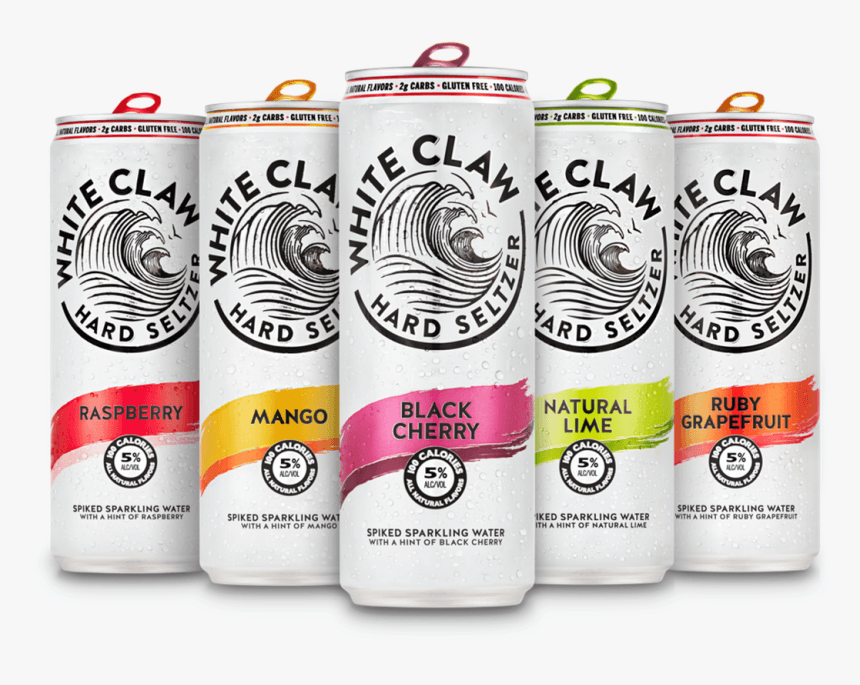
- White Claw Surge (8% ABV)
- Voodoo Ranger Imperial variants
- Specialty barrel-aged beers (10–15%+)
- Avery Rumpkin (18.5% ABV)
These beverages deliver higher impact in single-serve cans or bottles and are often positioned as:
- Premium craft offerings
- Limited releases
- Seasonal drops
Manufacturing Considerations:
- Fermentation control to reach higher ABV
- Yeast strain optimization
- Sugar management
- Can pressure and stability
- Malt beverage regulatory compliance
High-ABV malt beverages are particularly attractive because they may qualify for beer distribution channels while offering elevated price points.
4. Extreme Beers (20%–75% ABV)
At the far end of the spectrum are ultra-strong specialty releases.
Examples:
- Freeze-distilled beers
- Specialty products like Beithir Fire (75% ABV)
- Experimental high-proof craft releases
These products are rare and often:
- Sipped like spirits
- Packaged in small formats
- Released in limited quantities
- Used for brand-building and press attention
While not mass-volume products, they can generate substantial publicity and premium margins.
Why High Alcohol Beverage Manufacturing Requires Expertise
Each high ABV category comes with different production challenges.
When manufacturing higher alcoholic beverages at scale, brands must consider:
- Accurate alcohol blending and proof verification
- TTB and state-by-state compliance
- Ingredient sourcing at scale
- Stability at elevated alcohol levels
- Flammability and safety protocols
- Packaging compatibility
Higher ABV beverages amplify risk if not formulated and tested properly. Minor inconsistencies in alcohol measurement can lead to compliance issues, labeling problems, or costly recalls.
Profit Strategies in the High ABV Segment
For alcoholic beverage companies, higher ABV products can support profitability in several ways:
1. Premium Pricing
Higher alcohol often supports higher perceived value, especially in specialty, barrel-aged, or limited-run releases.
2. Smaller Format, Higher Margin
Higher strength allows for smaller packaging formats while maintaining strong price points and margins.
3. Brand Differentiation
In crowded RTD and beer markets, elevated ABV offerings stand out and attract experienced consumers.
4. Line Extensions
Introducing a “Reserve,” “Imperial,” or “Surge” version of an existing product can increase average revenue per customer.
5. Strategic Tax & Base Selection
Choosing between malt-based, wine-based, or spirit-based formulations impacts regulatory classification, distribution pathways, and profitability.
Partnering for Scalable High Alcohol Beverage Manufacturing
From fortified wine-style beverages to high-octane RTDs and specialty spirits, high ABV innovation requires both technical and regulatory expertise.
At Big Brands, we support brands entering the higher alcoholic beverage space with:
- Formulation guidance
- Alcohol blending and verification
- Compliance navigation
- Scalable production systems
- Strategic manufacturing planning
If you’re developing a product in the 7%–75%+ ABV range, the right production partner can make the difference between a niche experiment and a scalable, profitable product line.
High alcohol beverage manufacturing is complex — but with the right strategy, it’s also an opportunity.
Ready to explore your next high ABV innovation? Let’s build it the right way.